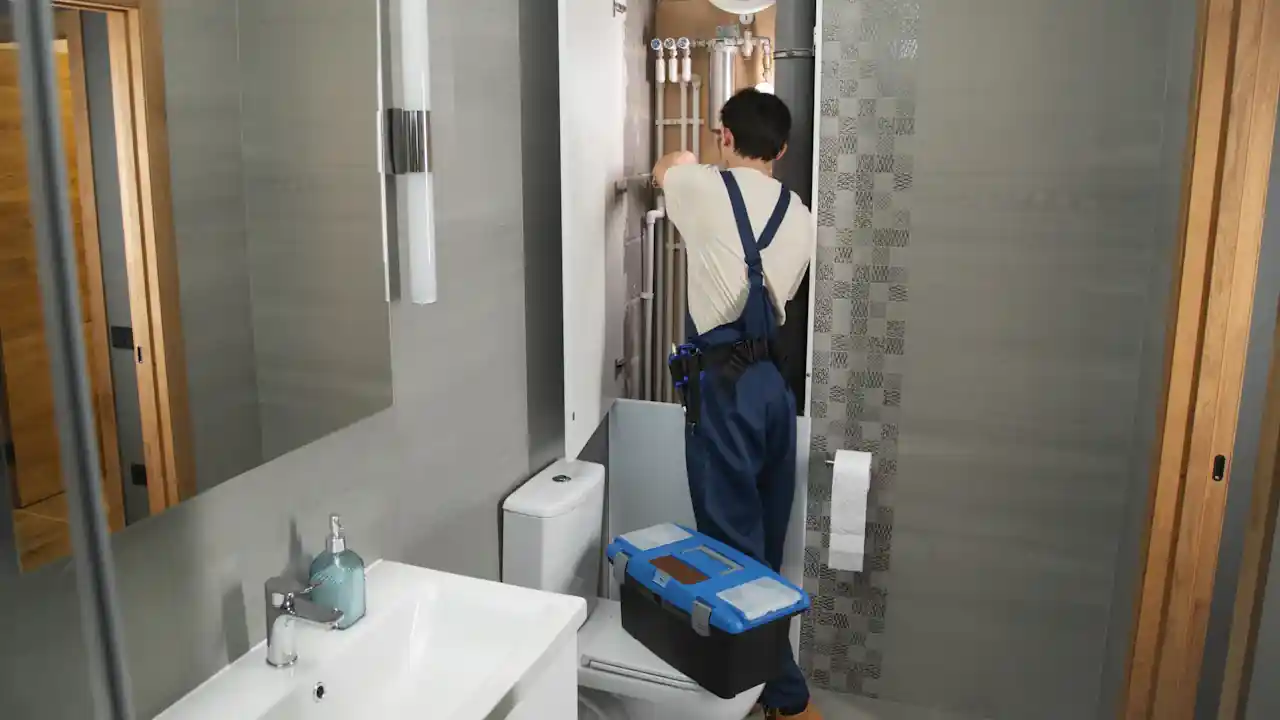
What does a water heater drain pan do?
A water heater drain pan is a shallow metal or plastic tray installed under the tank to catch drips and slow leaks. Connected to a drain line, it carries water away to a safe spot. Water heater drain pan installation is especially valuable for heaters in closets, attics and upstairs locations. Water heater drain pan installation matters most for closet and attic heaters.
Many La Mirada heaters sit in garages on concrete, where a small leak is easy to spot. Others sit in interior closets, laundry rooms, or condo and townhome utility spaces next to carpet, wood floors and drywall. In those locations, even a slow drip can do expensive damage before anyone notices. Water heater drain pan installation includes a drain line to a safe spot.
A pan does not prevent leaks. What it does is contain the early ones: a weeping drain valve, a seeping fitting that runs down the jacket, condensation, or the first stage of a tank failure. That buys time and makes the problem visible. The heater has to be drained and moved for water heater drain pan installation.
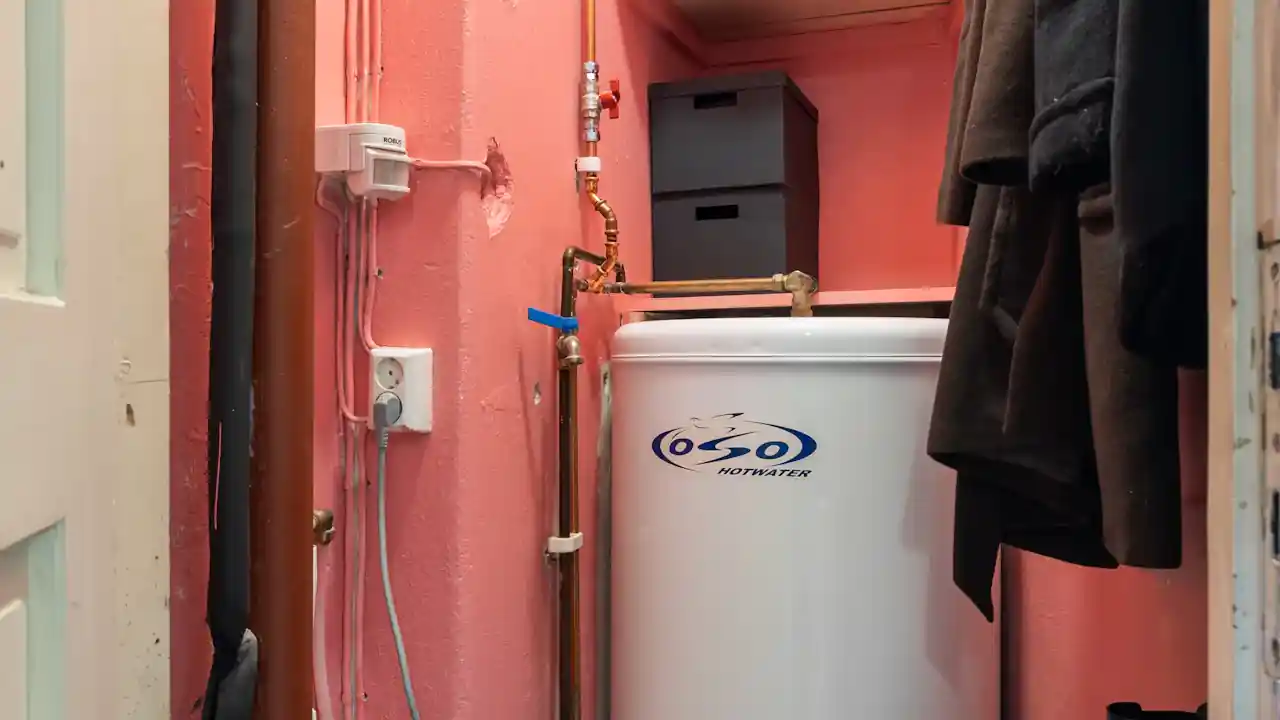
Where a drain pan matters most
- Interior closets and hallways next to carpet, wood or laminate.
- Attics and upper floors, where a leak runs through ceilings below.
- Condos and townhomes, where water can reach a neighbor's unit.
- Laundry rooms with finished floors and cabinetry.
- Garages with stored items beside the heater.
Codes commonly require a pan with a drain in locations where a leak could damage the building. In a bare-concrete garage it may be optional, but it is still a cheap way to protect stored belongings. Water heater drain pan installation is easiest during a replacement.
8 signs your heater needs a drain pan
- The heater sits indoors near finished flooring.
- It is in an attic or upstairs.
- You have had a leak before that stained the floor.
- Stored boxes or furniture sit beside the heater.
- A pan exists but has no drain line.
- The old pan is rusted or cracked.
- The pan is too small for the tank's base.
- You are replacing the heater and have no pan.
Drain pan and leak protection options
Pan with drain line
The standard approach: a pan wider than the tank base, with a fitting connected to a drain line routed to an approved location. A leak sensor pairs well with water heater drain pan installation.
Pan with leak sensor
A battery or Wi-Fi water sensor in the pan alerts you to water as soon as it appears. Water heater drain pan installation uses a pan wider than the tank base.
Automatic shut-off valve
Some systems pair a sensor with a valve on the cold-water line that closes automatically when water is detected, limiting a larger leak. Water heater drain pan installation is commonly required for indoor heaters.
Pro tipEven with a pan, keep stored items a short distance away from the heater. It gives the pan room to do its job and keeps the area clear for service.
Quick checks you can do
- Look under the heater for a pan and check whether it has a drain fitting.
- Follow the drain line to see where it ends.
- Check the pan for rust, cracks or standing water.
- Make sure nothing is blocking the pan or its drain.
WarningDo not try to lift or tilt a full water heater to slide a pan underneath. Adding a pan requires draining and disconnecting the heater.
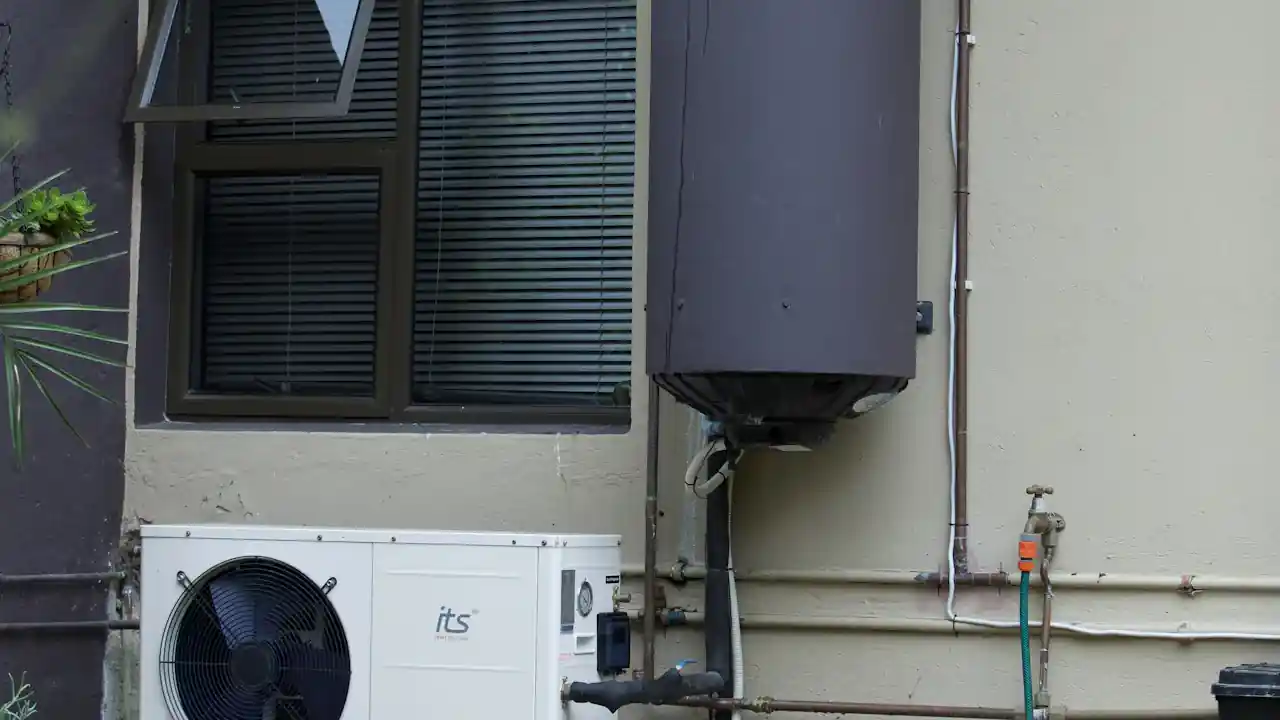
Water heater drain pan installation, step by step
- Plan the drain route. Find an approved termination point for the pan drain.
- Shut down and drain. Water and energy are turned off and the tank drained.
- Disconnect and lift. Water, gas or power and venting are disconnected and the heater moved.
- Set the pan. A properly sized pan is placed level under the heater's position.
- Reinstall the heater. The heater is set back, reconnected and re-strapped.
- Connect the drain. The pan drain line is run and secured.
- Refill and test. The heater is refilled, restarted and checked for leaks.
Because the heater has to be moved, re-securing the seismic straps is part of the job. Re-strapping the tank is part of water heater drain pan installation.
What affects the cost of drain pan installation?
| Factor | Why it matters |
|---|---|
| Timing | Adding a pan during replacement costs far less than moving an existing heater. |
| Drain route | Long or difficult drain runs add labor. |
| Pan material | Metal and plastic pans differ in price. |
| Add-ons | Leak sensors and automatic shut-off valves are extra. |
See the leak repair cost guide for related factors. Water heater drain pan installation turns hidden drips into visible warnings.
Adding a leak sensor to your drain pan
A pan with a drain catches drips, but a pan alone only works if someone notices the water. A small leak sensor placed in the pan, or on the floor beside the heater, sounds an alarm or sends a phone alert the moment it gets wet. For heaters in closets, attics or upstairs, that early warning can be the difference between a towel and a ceiling repair. Ask about pan material when you book water heater drain pan installation.
Automatic shut-off systems go one step further. A sensor is paired with a motorized valve on the cold-water line; when water is detected, the valve closes and stops the heater from refilling. That does not empty the tank, but it limits how much water can escape. Water heater drain pan installation is low-cost insurance for condos and townhomes.
Ask the provider whether a sensor or shut-off valve makes sense for your installation, especially if your heater is indoors, if you travel often, or if a past leak has already damaged floors. Water heater drain pan installation should end with a refill and leak test.
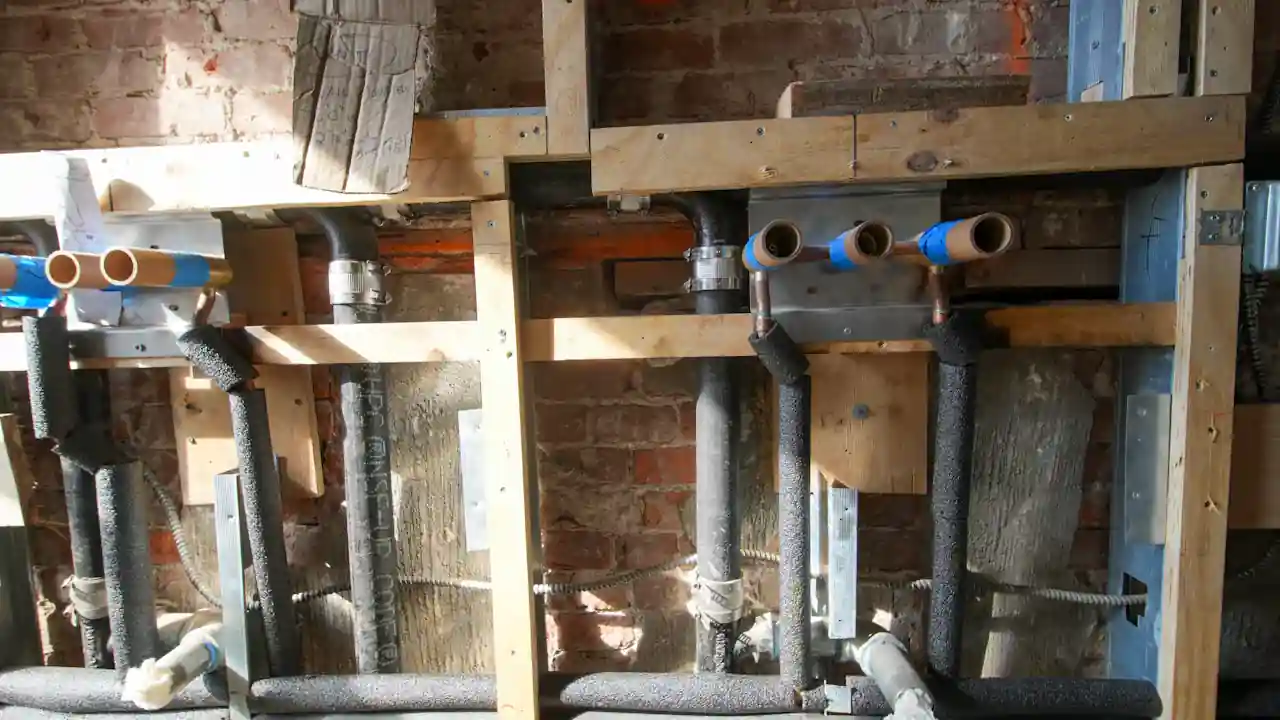
If your drain pan is full or overflowing
A full pan means a real leak, not just a drip. Close the cold-water valve, turn off gas or power, and call (562) 539-0506. If water is spreading beyond the pan, follow the emergency steps, and read what a leak at the base means. Water heater drain pan installation keeps stored items in the garage dry.
Water heater drain pan installation: frequently asked questions
Is a water heater drain pan required?
Plumbing codes commonly require a pan where a leak could damage the building, such as attic, upper-floor or interior closet installs. Garage installs on concrete may not need one, but many homeowners add one anyway. A provider can confirm what applies to your home.
Does a water heater drain pan need a drain line?
Where a pan is required, it normally needs a drain line to an approved location so water does not simply overflow. A pan with no drain only holds a small amount.
Can a drain pan be added to an existing water heater?
Yes, but the heater has to be drained, disconnected and lifted to slide the pan underneath, so it is most often done during a replacement.
What size drain pan do I need?
The pan should be wider than the heater's base so drips from the jacket land inside it. Provider kits are sized to common tank diameters.
Will a drain pan protect me from a burst tank?
No. A burst tank releases far more water than a pan can hold. A pan is for drips and slow leaks; a leak sensor or automatic shut-off adds protection for larger failures.
Can the relief valve pipe drain into the pan?
Rules vary, and the relief valve discharge often needs to terminate separately. A provider can route both correctly for your installation.
Do leak sensors need a smart home system?
No. Simple battery-powered sensors sound a local alarm. Wi-Fi models add phone alerts, and some connect to automatic shut-off valves.
How do I clean a water heater drain pan?
With the heater shut off, wipe out dust and debris and check that the drain opening is clear. Never move the heater to reach under it.
Can a drain pan be too shallow?
A very shallow pan holds little water and can overflow quickly. Proper pans are deep enough to contain drips and are paired with a drain line that carries water away.
Should the pan drain run outside?
It needs to end at an approved location, which may be outdoors, a floor drain or another suitable point depending on the installation. A provider will route it correctly for your home.