Why water heater leak detection comes before any repair
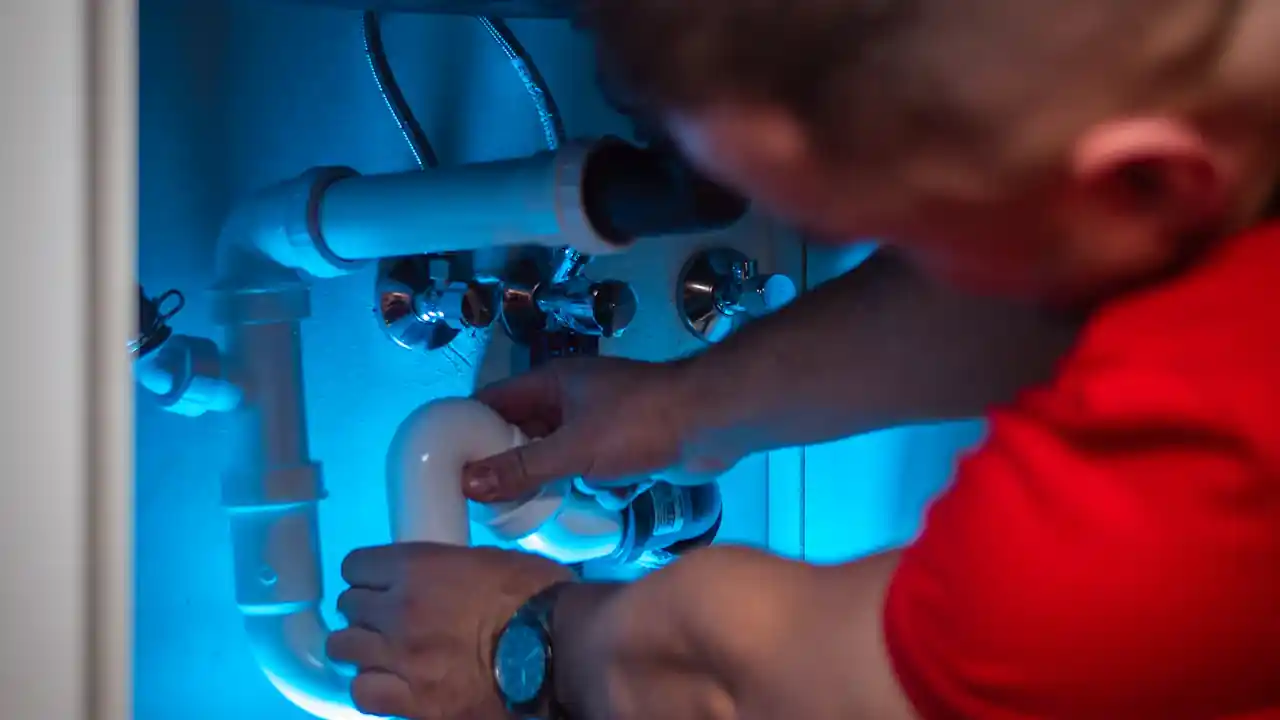
Water heater leak detection means finding the exact point where water escapes before any part is replaced. Water travels along pipes and down the tank jacket, so the puddle is often nowhere near the leak. Confirming the source decides whether you need a small part or a new heater. Water heater leak detection is the first step when the source is unclear.
Water is a poor witness. A drip from a connector on top can run down the outside of the insulated jacket and appear at the base. A relief valve discharge pipe can end right beside the tank and leave a puddle that looks like tank failure. Condensation on a cold morning can wet the floor and then vanish by lunchtime. Each of those situations has a very different fix. Good water heater leak detection starts with a completely dry floor.
That is why a careful provider starts by drying everything and watching, not by quoting a new heater. The few minutes spent isolating the source often save the cost of a replacement that was not needed, and when the tank really has failed, it gives you confidence the money is well spent. Water heater leak detection also rules out nearby appliances and supply lines.
Where is my water heater leaking from? The five usual sources
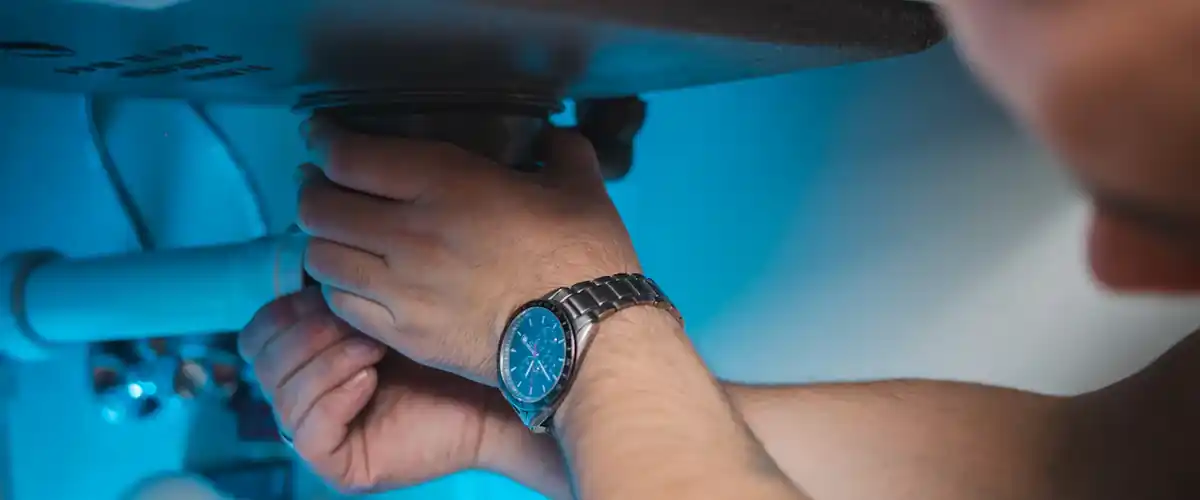
1. Top fittings and connectors
The cold inlet, hot outlet, flexible connectors and dielectric unions on top of the tank. Leaks here are common and usually inexpensive to fix. A provider doing water heater leak detection checks the top fittings before the tank.
2. T&P relief valve and discharge pipe
Water at the end of the pipe means the valve is opening or not sealing; water around the valve threads means the connection is leaking. Paper towels are a simple helper during water heater leak detection.
3. Drain valve
The spigot near the bottom can drip from the outlet or around its threads, especially plastic valves that have aged in the heat. Water heater leak detection often finds a cheap part rather than a failed tank.
4. Element ports (electric heaters)
Electric tanks have one or two heating elements behind access panels. Their gaskets can leak, leaving water inside the panel or running down the side. Warm water on the floor is a strong clue during water heater leak detection.
5. The tank itself
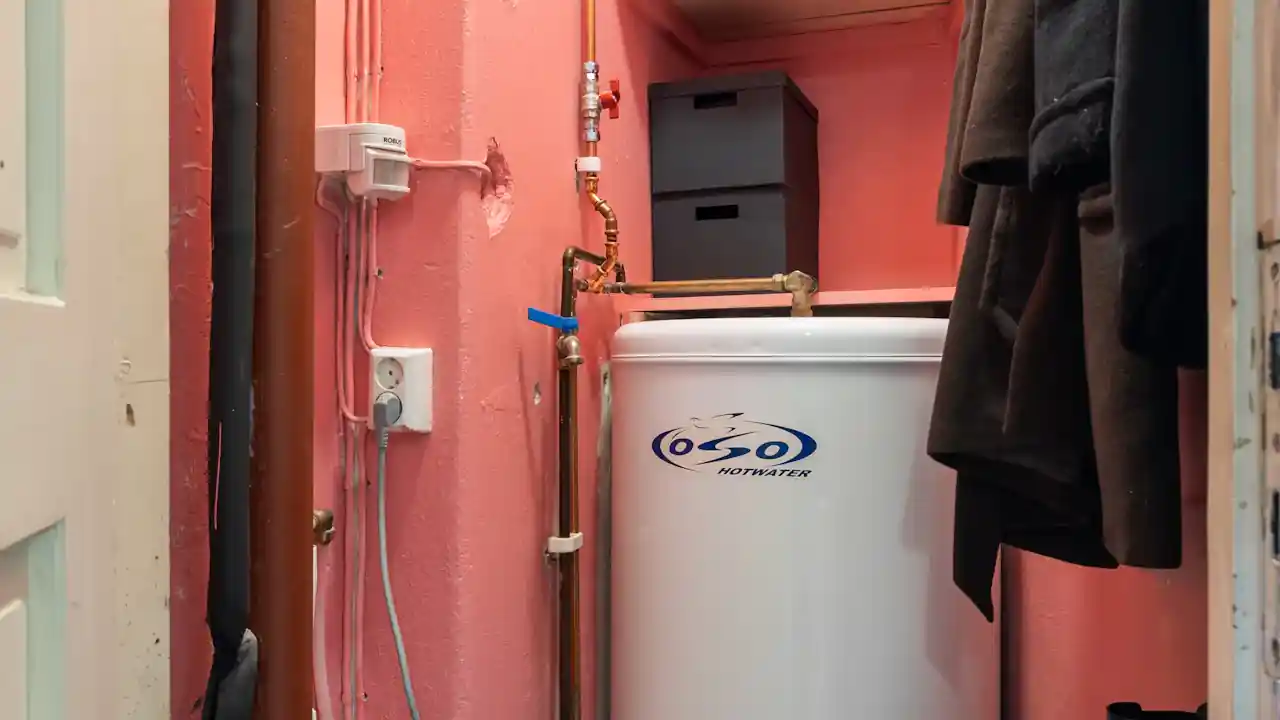
When the inner tank corrodes through, water seeps into the insulation and out at the base. This is the one leak that cannot be repaired. Water heater leak detection should include the relief valve discharge pipe.
8 clues that help locate a water heater leak
- Wet only after showers or laundry: points to pressure from thermal expansion opening the relief valve.
- Wet only on cold mornings: often condensation rather than a leak.
- Rust streaks from the top down: a fitting or connector above is leaking.
- Water inside an access panel: an electric element gasket.
- White crust on a joint: a slow leak that has been evaporating for a while.
- Drip at the end of the side pipe: the T&P relief valve.
- Wet base with dry fittings: the tank may have failed.
- Water under nearby appliances too: the source may not be the heater at all.
How professionals find water heater leaks
Most water heater leaks are found with careful observation and a few simple tools, not expensive equipment. On electric units, water heater leak detection includes the element covers.
- Dry-and-watch. Every surface is dried, then checked again at intervals and during a heating cycle.
- Paper or tissue tests. Dry paper wrapped around each joint shows exactly which one wets first.
- Pressure gauge. A gauge on a hose bib or the drain valve shows static pressure and whether it climbs as the heater runs, a sign of thermal expansion. See water pressure testing.
- Moisture meter. Used on drywall, flooring and baseboards to see how far water has spread and whether a wall pipe is involved.
- Visual inspection under covers. The burner access on gas units and element panels on electric units are checked, with power or gas off, for water and rust.
- Thermal imaging, where available, can help trace hot-water lines in walls when water seems to come from behind the heater.
Water heater leaking — what to do while you wait
- Shut off the water. Close the cold-water valve above the heater.
- Remove the heat source. Gas control to OFF, or breaker off for electric.
- Dry and mark. Wipe the heater and floor dry and outline the wet area with tape.
- Paper-towel test. Wrap dry paper around the top joints, relief valve outlet and drain valve.
- Check nearby appliances. Look under the washer, laundry sink, softener and AC lines.
- Take photos. Photograph the label, the joints and any wet spots for the provider.
Pro tipWrite down when you first noticed the water and whether it gets worse after hot water use. That timing alone often points straight to the cause.
What happens during a leak detection visit
- Safety check. Confirm water and energy are off, and check for gas smells or wet electrical parts.
- Rule out other sources. Nearby appliances, pipes in walls and condensation are checked first.
- Isolate the heater. Each connection, valve and port is dried and observed.
- Measure pressure. Static pressure and thermal expansion are tested if valves are dripping.
- Explain the finding. You are shown the source and told whether it is a part or the tank.
- Quote the fix. A written price for the repair or replacement before any work starts.
If the tank is confirmed as the source, the next step is usually a water heater replacement. Condensation is ruled out early in water heater leak detection.
What affects the cost of leak detection?
| Factor | Why it matters |
|---|---|
| Leak behavior | Constant leaks are quick to trace; intermittent ones take longer. |
| Heater location | Closets, attics and tight spaces slow inspection. |
| Spread of water | Checking walls and floors with a meter adds time. |
| Repair on the same visit | Many providers fold diagnosis into the repair if you go ahead. |
See the leak repair cost guide for how repair and replacement compare. Water heater leak detection saves money by avoiding guess-and-replace repairs.
Water heater leak detection when the water is not from the heater
In garages and laundry rooms, the water heater often sits beside a washing machine, a laundry sink, a water softener or the condensate line from an air conditioner or furnace. Any of them can leave water on the floor near the heater. Part of a good diagnosis is proving that the heater is actually the source before anyone works on it. Ask what the visit includes when you book water heater leak detection.
A provider will usually check the washer hoses and drain, the softener's brine tank and drain line, nearby supply pipes in the wall, and any HVAC condensate line that runs past the heater. In homes from the late 1950s and 1960s, which make up much of La Mirada, older galvanized or copper lines in walls can also weep near the heater location. A moisture meter on the drywall and baseboard helps show whether water is coming from inside the wall rather than from the tank. Photos of the wet area help speed up water heater leak detection.
If the heater turns out to be dry, you have saved the cost of an unnecessary repair, and the provider can point you toward the real problem. Water heater leak detection is worth it before agreeing to a new tank.
When to skip detection and call immediately
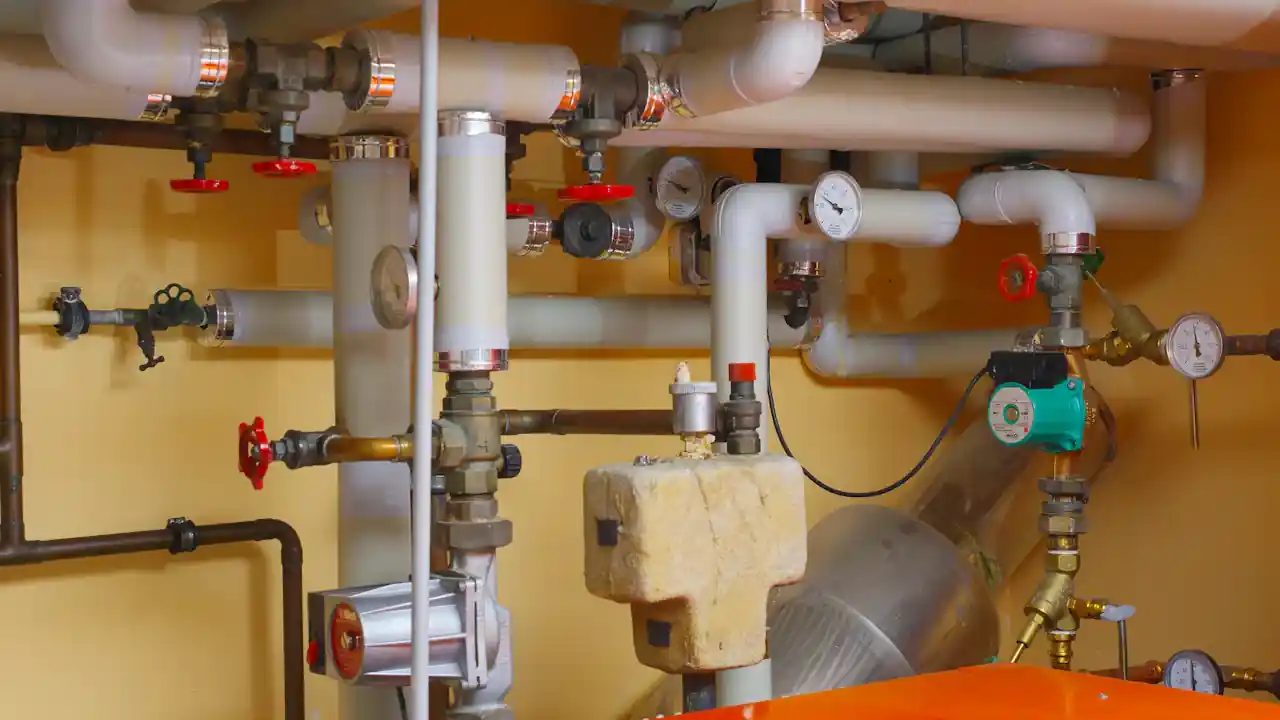
If water is spreading fast, reaching flooring or walls, or near the burner or wiring, do not spend time hunting for the source. Shut the heater down, protect the area and call (562) 539-0506. The emergency water heater repair guide covers the shutdown steps.
Water heater leak detection: frequently asked questions
Where is my water heater leaking from?
Most leaks come from one of five places: the fittings on top, the T&P relief valve and its discharge pipe, the drain valve, the element ports on electric units, or the tank itself. Drying everything and watching where water reappears is the quickest way to narrow it down.
Water heater leaking — what to do first?
Close the cold-water valve above the heater, turn the gas control to OFF or switch off the breaker, and protect the floor. Then note where the water seems to start and call for leak detection before anyone recommends replacing parts.
Can water near the heater come from something else?
Yes. Nearby washing machines, laundry sinks, AC condensate lines, water softeners, roof leaks and even a slab or wall pipe can put water near a heater. Ruling these out is part of a proper diagnosis.
How long does water heater leak detection take?
A straightforward leak can often be confirmed within a short visit. Intermittent leaks that only appear while the heater runs or after heavy hot water use can take longer to catch.
Can condensation look like a water heater leak?
Yes, especially on gas heaters after a large draw of cold water. Condensation disappears once the tank warms up, while a real leak keeps producing water from the same spot.
Is leak detection worth it if I think the tank is bad?
Usually, yes. Confirming the source protects you from replacing a heater because of a leaking valve or connector, and confirms a replacement is truly needed when the tank has failed.
Can a slab or wall leak look like a water heater leak?
Yes. A leaking pipe in a wall or under a slab near the heater can wet the floor around it. Moisture readings on the wall and floor, plus a dry heater, point to a different source.
Do I need to empty the area around the heater before the visit?
Clearing a few feet around the heater helps the provider see the floor, the connections and nearby appliances, and makes the visit faster.